

A few years ago I was talking to a guy who had signed up for a 70.3 the year prior.
He never made it to the start line.
He chalked it up to running injuries. I asked what his run training looked like.
20 to 25 miles a week.
“How long had you been running consistently before you ramped up?”
“Oh, well I’d been dealing with some injuries the past few years, so I was really just getting back into it.”
There it was.
He hadn’t trained toward his race.
He trained toward what he thought a 70.3 athlete should be doing.
No reference to where he was coming from. No account for his injury history. Just a plan he found online and the ambition to go for it.
The result?
Did Not Start.
That’s how most solo athletes train.
They sign up for the race, look up what they “should” be doing, and start chasing benchmarks that have no connection to their current fitness, history, or ability.
The race distance matters. But where you’re coming from matters more.
After coaching 300+ dads to endurance finish lines, I’ve found there are a few benchmarks to pay attention to when you begin training.
These are ability assessments across swim, bike, run.
And they give you a clear picture of where you’re at — and what you should focus on.
This tells you exactly how to improve.
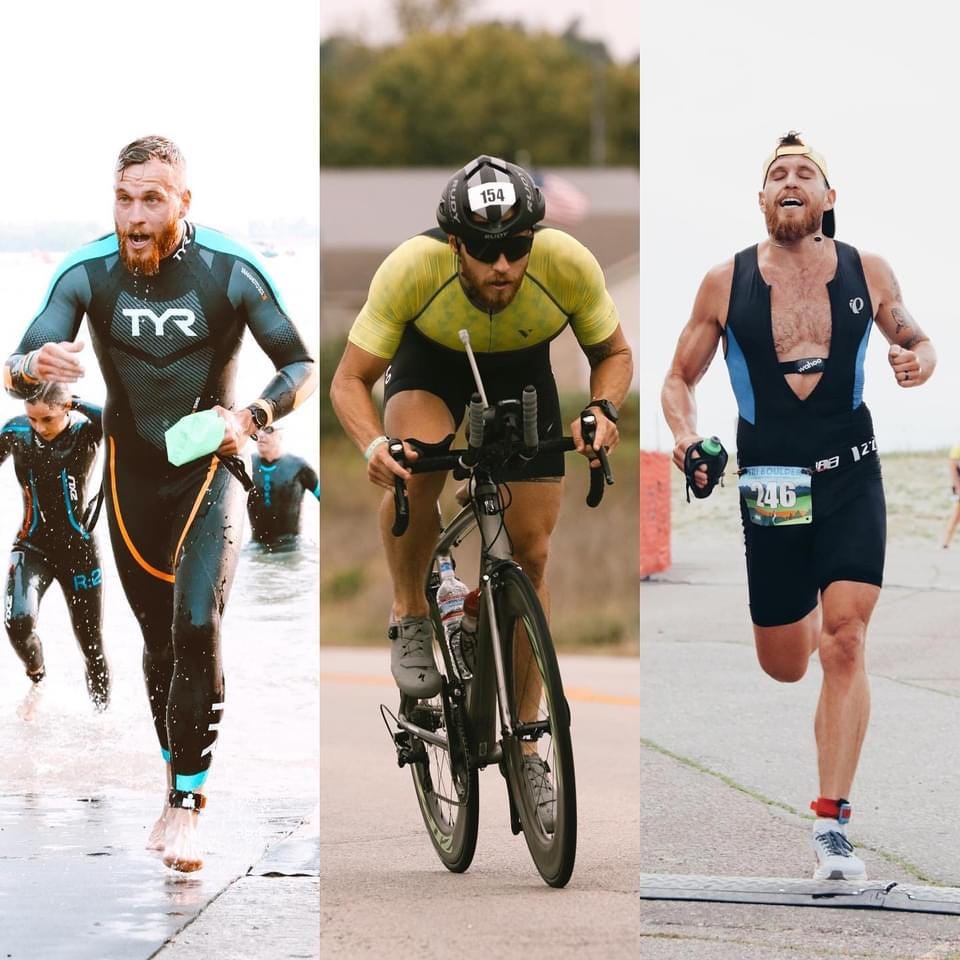
One tool you need before you start: a GPS watch.
I use the Coros Pace 3 — at $199, it’s the best value smart watch I’ve found. And the battery life is insane.
It tracks everything you need.
Garmins work too. Clean data will help you learn and improve.
1. Run
Three questions:
Can you run for 60 minutes at an easy pace — or does running for an hour feel exhausting regardless of effort?
You can run for 60 mins easy?
Good. Work through the next two questions.
Not yet?
Follow the tips below AND do all your training runs as a 9/1 run/walk pattern for the next 4-8 weeks.
Running comfortably for 60 minutes is the first run benchmark to strive for.
What is your running cadence?
Most beginners are running at 158–162 steps per minute. The target is 170 or above.
Your watch will already have this data.
I ran my first three Ironmans at a cadence of 162. Every single one, I fell apart late in the run.
Hips throbbing, no power left in my stride. I thought it was just what Ironman felt like. I thought I needed more long runs in training.
It wasn’t. I was running with the brakes on.
I got a run gait analysis and learned the real problem:
not enough knee drive
landing too straight-legged
too much vertical oscillation (bouncing up and down instead of moving forward)
When I fixed those things, my cadence jumped to 172.
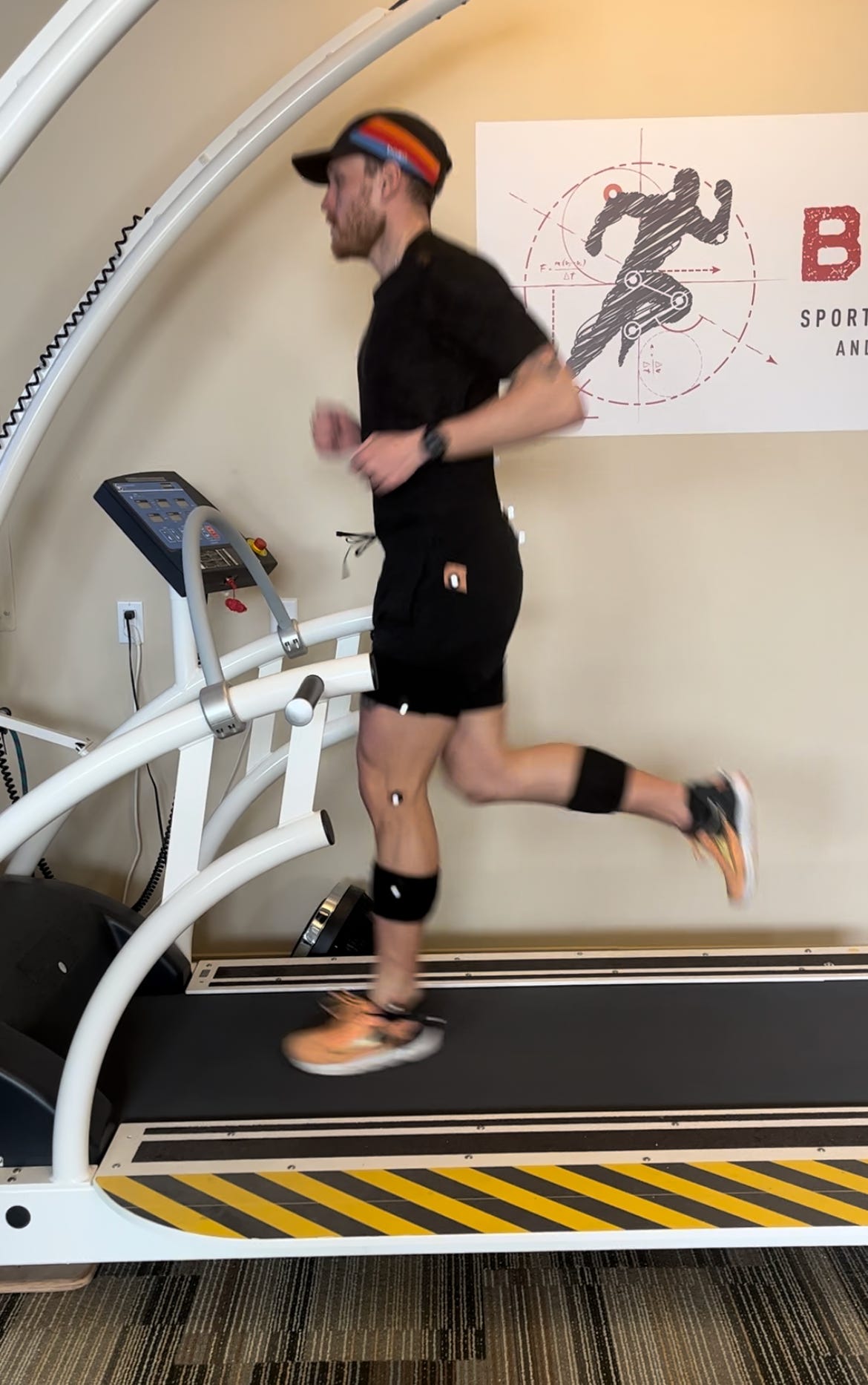
My marathon time dropped 15 minutes.
What is your current 5k PR?
Here’s a challenge for you: Go run a 5k this week and find out where you are right now.
Don’t rely on a time from a Turkey Trot 4 years ago - or just a random guess.
Take the challenge. This single number will set your running pace zones more accurately than any formula.
Pro tip: start conservative and aim to hold steady pace throughout. Most people start too hot and fade.
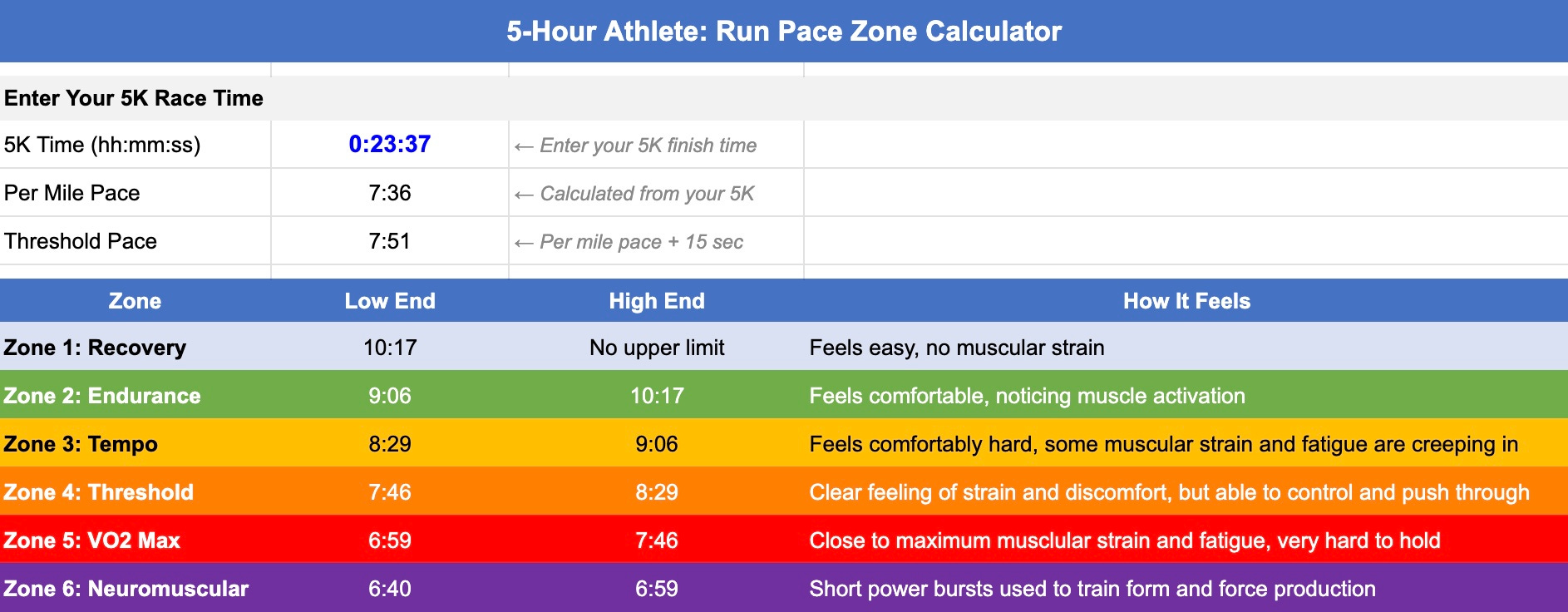
BONUS: Click here to access the Run Pace Zone Calculator.
Make a copy and input your 5k time to get your simple 6 Zone pace profile.
2. Bike
For the beginner endurance athlete, their initial training needs on the bike come down to one question:
Do you have a bike setup you can use consistently?
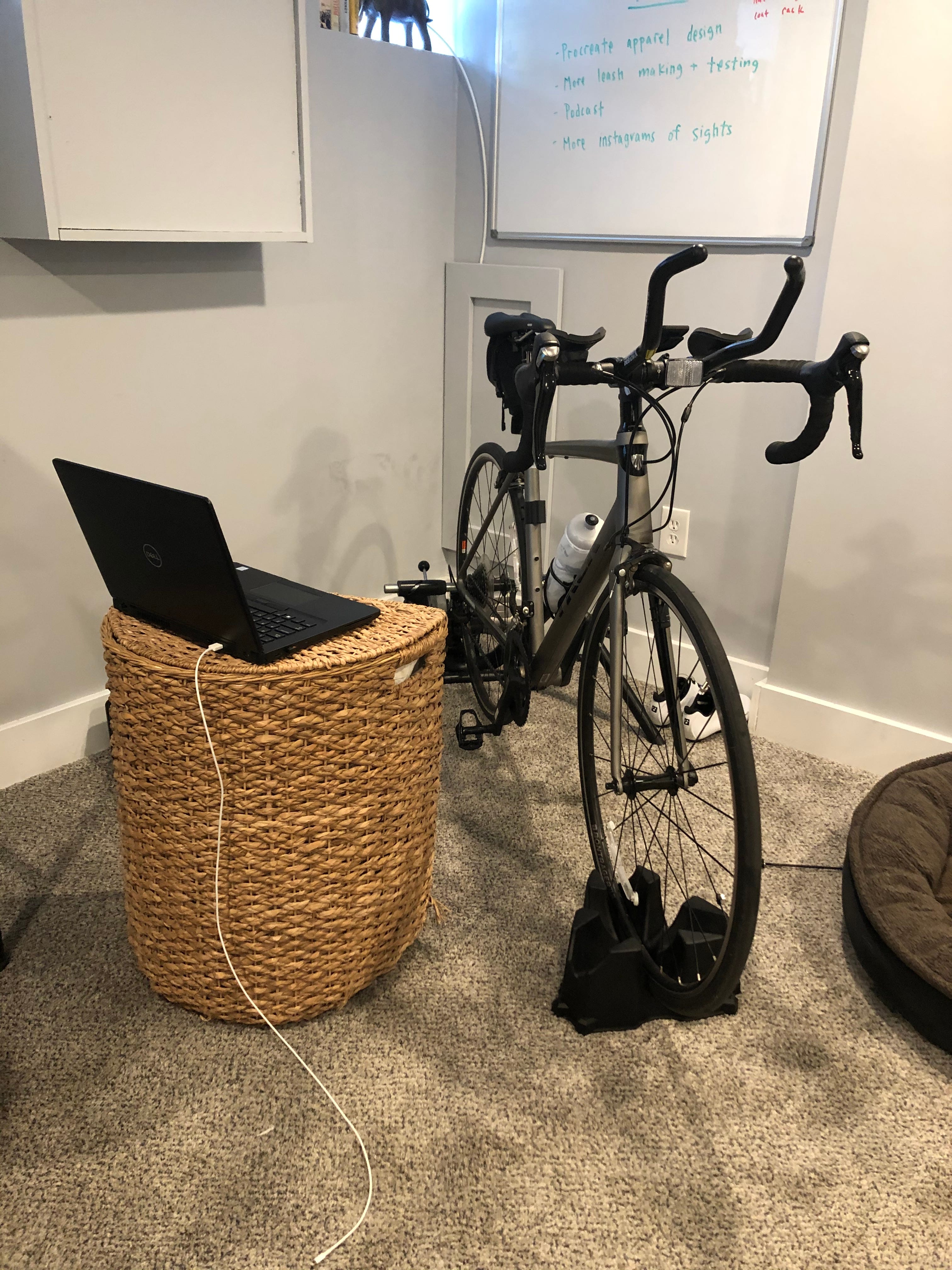
Gym bike, Peloton, Zwift, riding outside — it doesn’t matter.
What matters is that it’s repeatable. One to two rides per week is all you need to start building a base.
If you can clip in, even better.
Learning to ride in cleats early will accelerate your mechanics faster than anything else.
We will get to bike drills, power profiles, intervals, and how to unlock speed.
But for now, all you need is the ability to ride week over week.
3. Swim
When I started training for my first triathlon I just swam straight sets.
Every workout was one long continuous effort.
I assumed swimming was like running. You just go for a run. So you just go for a swim.
I had no idea swim workouts could be broken into sets.
Someone saw my workouts online and suggested I try breaking them up instead of swimming straight through.
That one insight changed everything.
Breaking up my workouts improved my comfort in the water, my breathing, how I understood pacing, how I started to notice my own form.
Now I see the same assumption in almost every beginner swimmer I coach.
They show up thinking continuous swimming is the path to improvement.
It isn’t. It’s usually just long and lazy.
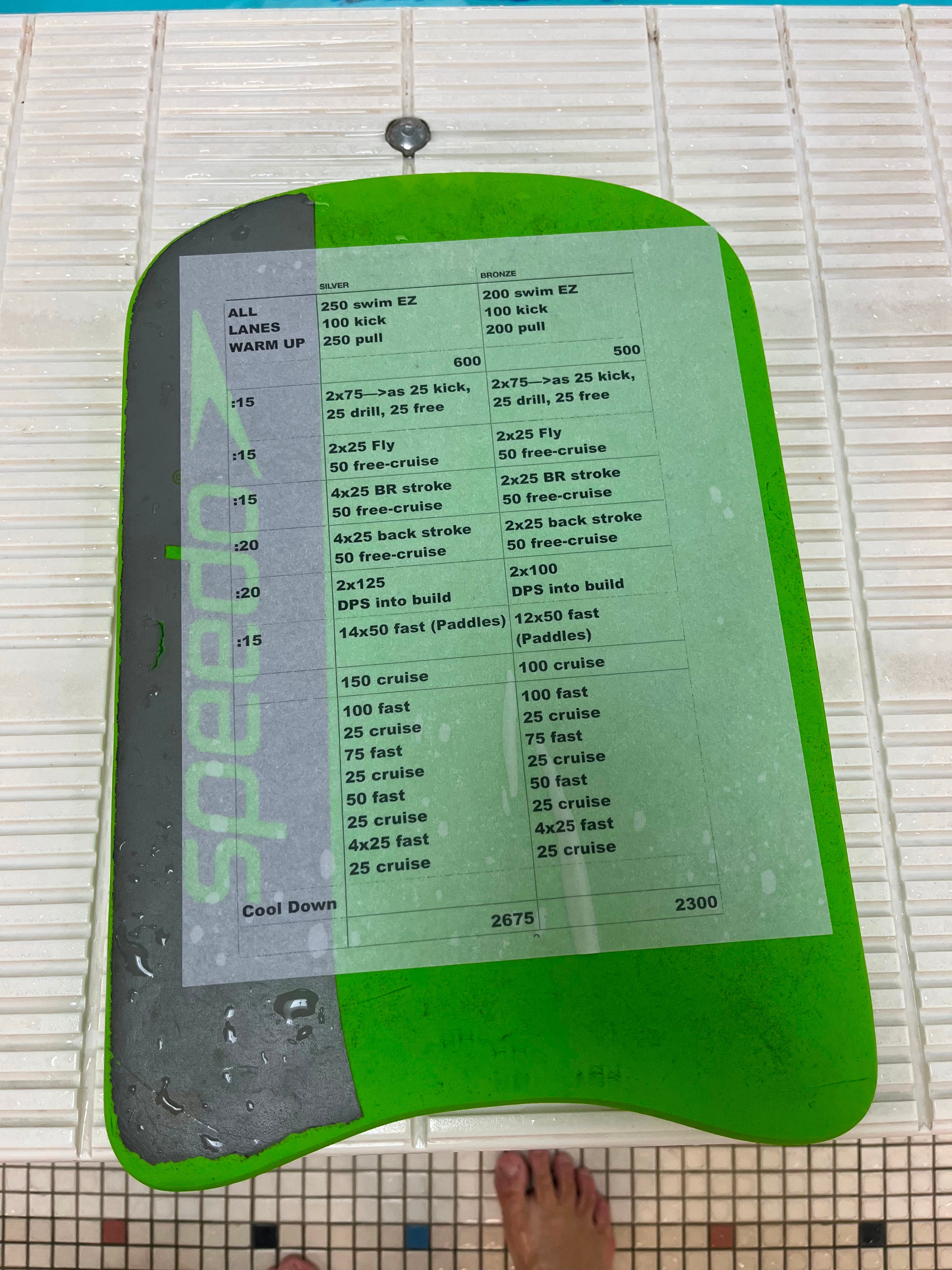
Here is your initial swim challenge:
Go swim 200 yards as fast as you can sustain. Your watch will show your pace per 100 yards. Write it down.
Under 1:45 — you’re moving well through the water. You’re comfortable and with the right training you can get very fast.
Start here: 8 x 100 at 10 seconds above your test pace on 10 seconds rest.
1:45 to 2:15 — you’re functional but probably not comfortable. This is the group that always thinks they just need to swim longer. You don’t. Shorter sets, drills, and pace work will unlock your ability in the water.
Start here: 4 x 50 as 25 catch-up/25 swim. Then 4 x 50 descending pace. Then 4 x 50 fast with paddles. All on 15 seconds rest.
Slower than 2:15 — you’re likely doing most things wrong. Not moving water efficiently, gasping for air, over-rotating. Get video of yourself in the water and send it to me.
Start here: 4 x 50 fist-to-swim by 25. Then 4 x 50 as 25 catch-up/25 swim. Then 4 x 25 with fins.
4. Recovery
Pull up your watch data. Get two numbers:
Sleep
What’s your average hours per night over the past 6 months?
Most guys aren’t looking at this.
Once you have your average, work backwards to clarify your sleep routine.
This is going to open up freedom in your schedule.
If you average 7 hours and 15 minutes, that’s your target.
Getting up at 5am will not be difficult if you’re in bed by 10.
But if you let bedtime drift towards 11 - or even midnight?
Waking up at 5 will feel impossible.
Resting heart rate
A few years ago, I coached a powerlifter to his first Ironman.
He came into training strong, 270 pounds, built for moving huge weight.
After just 3 months of endurance training, his resting heart rate dropped 10+ beats.
He felt better every day than he had in years.
If you are in need of improving your general health, this will be a motivating number to follow.
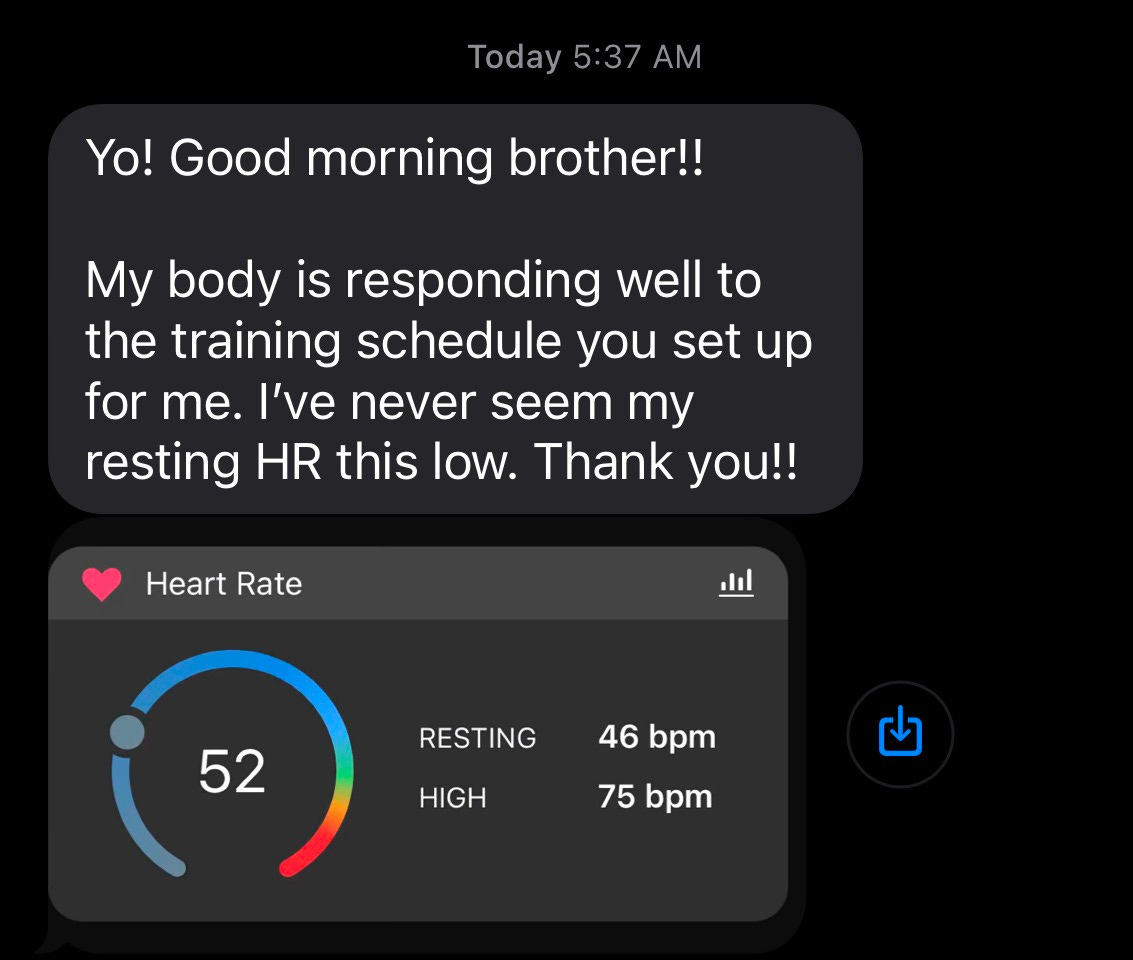
The second reason I track resting heart rate is I’ve found it to be the best early warning sign of getting sick.
If I see my RHR rise 3-5 beats, that is a sign my body is run down and I need rest.
One day of rest caught early saves me from pushing harder, getting sick, and needing three days to fully recovery.
Don’t worry about “optimizing” recovery. Just become aware of these two metrics.
Where do you stand?
The area with the biggest gap is where you start. Now you know what that is.
What you do with these numbers is what the rest of this book is about.
